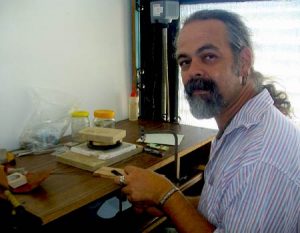
About The Makers
Each piece we sell has its own story, from its origins, culture and the inspiration it generates. We have sourced our pieces from all over the world. Each piece is handcrafted by local artists from high quality materials and in the case of our vintage items is most often a one-of-a-kind design.
Native American Jewellery
The Navajo people learned silversmithing in the late 19th Century from Mexican workers. Leather stamping tools were used to stamp patterns in silver before other techniques and materials became known and are a distinctive trademark of Native American jewellery. Jewellery was initially made for personal use, then for the tourist trade. Some of the early tourist pieces are now highly collectible.
Many Native Americans live on reservations and regularly pawn their jewellery (generally to local trading posts). This has historically allowed Native American societies to buy food and goods at trading posts by using their jewellery as collateral. The pawn system is very important; pieces are passed down from generation to generation and often have important ceremonial uses.
The terms Dead Pawn and Old Pawn are used frequently in reference to Native American jewellery. Dead Pawn refers to items that are pawned and not redeemed in the specified time frame. Old Pawn refers to Dead Pawn that was made prior to the 1940s. There are strict rules governing the pawn system and some traders hold onto pawn for much longer than required by law, to allow the owners to redeem their property.
Native American jewellery is highly collectible and as such may increase in value the longer you have it!
Lapis lazuli and Mediterranean red coral have only been used since about the 1930s and contemporary artists draw on a wide variety of materials (including abalone shell, mother of pearl, petrified wood, jet and malachite) in their work.
Distinctive pieces such as squash blossom necklaces developed from the fusion of new techniques with traditional designs.
The style of jewellery varies from tribe to tribe:
- Navajo jewellers generally have an even balance between the stones and silver;
- Zuni jewellers are famous for mosaic and channel inlay work and the petit-point technique;
- Santo Domingo jewellers are known for heishi and mosaic inlay work;
- Hopi jewellers favour the overlay technique and the kachina (a spirit figure that is a Hopi guardian and symbol of rain and fertility).
Native American artists employ a lot of symbolism in their designs. There is an excellent explanation of symbols used in Native American jewellery at the following sites:
Native American Jewelry Tips Sunwest Silver Keshi the Zuni Connection
Mexican Jewellery
Taxco produces some of the best quality, most original and distinctive handmade silver jewellery in the world and it is highly collectible. Because of the strict regulations introduced in the Mexican industry it is easy to determine the provenance of Mexican pieces through the detailed hallmarks.
More on Mexican silver hallmarks.